


Have you ever searched for Mexican soup dishes and felt overwhelmed? Many recipes look long and complicated. Some do not explain the ingredients. Others mix authentic Mexican soups with Tex-Mex versions, which can feel confusing. As a home cook, you may wonder which soups are truly traditional and which ones will actually taste good for your family. It can be hard to know where to begin.
Over the years, I have studied traditional Mexican cuisine and tested many of these soups in my own kitchen. I learned that most Mexican soup dishes are not complicated. They rely on simple ingredients, slow cooking, and balance. Once you understand the basics, they become easy and enjoyable to prepare. In this guide, I will help you understand the most important soups, their origins, and how to choose the right one with confidence.
Quick Takeaways About Mexican Soup Dishes
- Mexican soup dishes are mostly broth-based and rich in bold flavor.
- Pozole is the most traditional and widely served Mexican soup.
- Caldo de Res and Caldo de Pollo are great choices for beginners.
- Many Mexican soups are healthy and high in protein.
- Tex-Mex soups are different from authentic Mexican soups.
Why Mexican Soup Dishes Are So Popular in the USA
Mexican food is one of the most loved cuisines in America. While tacos and burritos are famous, traditional Mexican soups are just as important.
Home cooks love these soups because they are:
- Budget-friendly
- Family-friendly
- Easy to customize
- Perfect for cold weather
In addition, many Mexican soup dishes are broth-based. This makes them lighter than creamy soups. As a result, they work well for both comfort food lovers and health-conscious eaters.
What Makes a Soup Truly Mexican?
Mexican soup dishes use simple ingredients with bold seasoning.
Common ingredients include:
- Garlic
- Onion
- Cumin
- Mexican oregano
- Cilantro
- Lime
- Fresh and dried chiles
- Hominy
Which Mexican Soup Should You Try First?
| If You Want… | Try This Soup | Why |
|---|---|---|
| Something traditional | Pozole | Most iconic Mexican soup |
| A mild and healthy option | Caldo de Pollo | Light and nourishing |
| A hearty winter meal | Caldo de Res | Filling and comforting |
| Seafood flavor | Caldo de Camaron | Coastal favorite |
| Bold and authentic | Menudo | Deep traditional flavor |
What Is Hominy?
Hominy is dried corn treated with lime. This process softens the corn and gives it a chewy texture. It is a key ingredient in pozole and other traditional Mexican soups.

The Role of Dried Chiles
Many authentic Mexican soups use dried chiles like guajillo or ancho. These chiles add depth and color, not just heat. Because of these ingredients, Mexican soups taste layered and balanced.
Common Mistakes When Making Mexican Soup Dishes
- Skipping dried chiles and using only chili powder.
- Not simmering the broth long enough.
- Using only canned broth without fresh aromatics.
- Forgetting fresh toppings like lime and cilantro.
- Adding too much cheese or cream to traditional recipes.

Traditional Mexican Soup Dishes
These soups are deeply rooted in Mexican history and culture.
Pozole
Pozole is one of the most traditional Mexican soup dishes. It is made with hominy and meat, usually pork or chicken.
There are three main types:
- Pozole Rojo (red)
- Pozole Verde (green)
- Pozole Blanco (white)
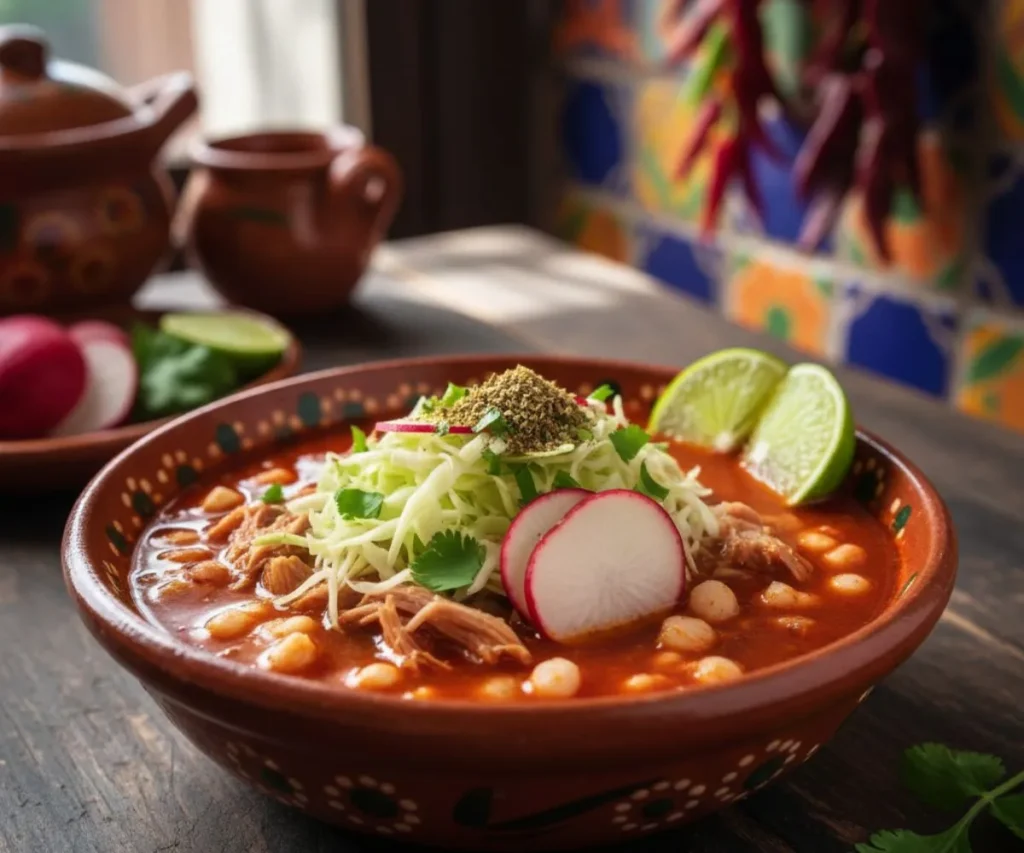
Pozole has pre-Hispanic roots. It was prepared by Indigenous communities long before modern Mexico existed. Today, families serve pozole during holidays and celebrations. In the United States, it is popular in winter and during special events.
Menudo
Menudo is a traditional soup made with beef tripe and red chili broth. It has a strong and bold flavor. Many Mexican families serve menudo on weekends. It is often seen as a comfort dish. This soup may not be common in all American restaurants. However, it remains very authentic.
Caldo de Res
Caldo de Res is Mexican beef and vegetable soup. It contains large pieces of beef, corn, carrots, potatoes, and cabbage. It is hearty and filling. Because of its high protein and vegetable content, it is also nutritious. This soup is perfect for cold weather.

Caldo de Pollo
Caldo de Pollo is Mexican chicken soup. It is simple and comforting.
It usually includes:
- Chicken
- Rice or vegetables
- Fresh herbs
It is often served when someone feels sick. The broth is light but nourishing. For health-conscious readers, this is one of the best Mexican soup dishes.
Albondigas Soup
Albondigas soup contains beef meatballs mixed with rice. The broth includes zucchini, carrots, and herbs. It is hearty but still fresh. Families often prepare it for dinner.
Sopa de Tortilla
Sopa de Tortilla, also called tortilla soup, has a tomato and chili broth. It includes crispy tortilla strips and sometimes chicken. It is smoky and slightly spicy. In the USA, it is very popular in restaurants.
Caldo de Camaron
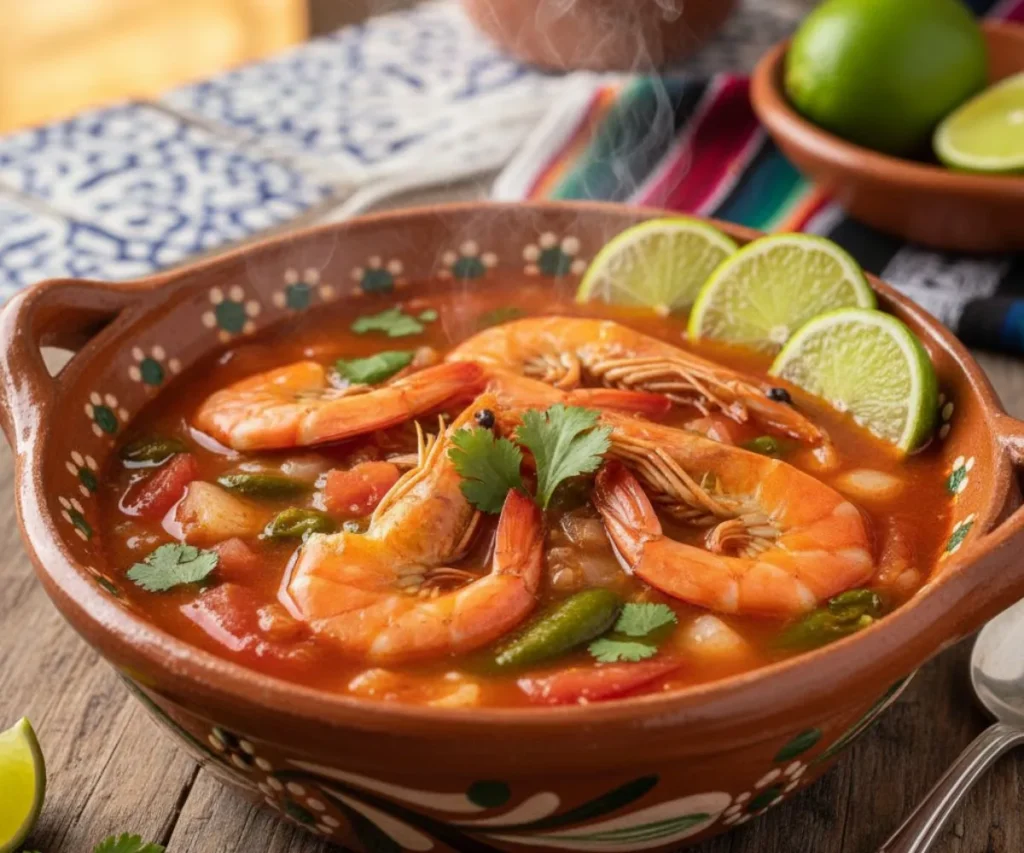
Caldo de Camarón is Mexican shrimp soup. It is common in the coastal regions of Mexico. The broth is rich and slightly spicy. It often includes tomato and garlic. This soup is ideal for seafood lovers.
Caldo de Siete Mares
Caldo de Siete Mares means “Seven Seas Soup.” It contains different seafood like shrimp, fish, and crab. It is bold and flavorful. It is often served for special gatherings.
Mole de Olla
Mole de Olla is a traditional beef soup made with dried chiles and vegetables. It has a deep and earthy flavor. It is less commonly found in American restaurants, but it is very authentic.
Sopa de Fideo
Sopa de Fideo is a simple noodle soup cooked in tomato broth. It is affordable and easy to prepare. Many children grow up eating this soup.
Regional Mexican Soup Traditions
Mexican soup dishes vary by region.
- Northern Mexico often features beef-based soups like Caldo de Res.
- Coastal regions serve seafood soups like Caldo de Camaron.
- Central Mexico is known for Pozole and Mole de Olla.
These regional differences show how geography influences ingredients. Understanding this helps cultural explorers appreciate authentic Mexican cuisine.
Authentic vs Tex-Mex Mexican Soup Dishes
In the United States, some soups are inspired by Mexican flavors but are not traditional.
Examples include:
- Taco Soup
- Chicken Enchilada Soup
- Chicken Fajita Soup
- Creamy Taco Soup
- Mexican Street Corn Soup
Traditional Mexican soups focus on broth, fresh toppings, and dried chiles. Tex-Mex versions often include cheese, cream, or packaged seasonings. Both styles are enjoyable. However, they are different in origin.
Are Mexican Soup Dishes Healthy?
Many Mexican soup dishes are healthy.
They often contain:
- Lean protein
- Beans
- Vegetables
- Fresh herbs
- Broth instead of heavy cream
Because of this, they are usually lower in calories. They are also high in fiber and protein. Garlic, chiles, and herbs may also support immune health. However, some soups can be high in salt. Cooking at home allows better control.
Core Ingredients in Traditional Mexican Soup Dishes
| Ingredient | Purpose |
|---|---|
| Hominy | Adds texture and authenticity |
| Dried Chiles | Provides depth and color |
| Lime | Balances richness with freshness |
| Cilantro | Adds herbal brightness |
| Garlic | Builds base flavor |
Mexican Soup Dishes by Season
Different soups work best at different times of year.
Best for Winter
- Pozole
- Caldo de Res
- Albondigas
Best Occasions for Mexican Soup Dishes
| Occasion | Recommended Soup |
|---|---|
| Holiday gatherings | Pozole |
| Cold winter night | Caldo de Res |
| Family Sunday meal | Albondigas |
| Light summer dinner | Caldo de Camaron |
| Feeling sick | Caldo de Pollo |
Best for Summer
- Caldo de Camaron
- Light Caldo de Pollo
- Sopa de Tortilla
Seasonal cooking makes meals more enjoyable.
Comparison of Popular Mexican Soup Dishes
| Soup | Main Protein | Region | Flavor Level | Best Occasion |
| Pozole | Pork/Chicken | Central Mexico | Medium | Holidays |
| Menudo | Beef Tripe | Northern Mexico | Strong | Weekends |
| Caldo de Res | Beef | Northern Mexico | Mild | Winter |
| Caldo de Pollo | Chicken | Nationwide | Mild | Sick days |
| Caldo de Camaron | Shrimp | Coastal | Medium | Special meals |
This table helps readers choose quickly.
Frequently Asked Questions
What is the most traditional Mexican soup?
Pozole is one of the most traditional Mexican soup dishes. It has deep historical roots.
Are Mexican soup dishes always spicy?
No. Some are spicy, but many are mild.
What is the difference between Pozole and Menudo?
Pozole uses hominy. Menudo uses tripe. Their texture and flavor are very different.
Are there vegetarian Mexican soup dishes?
Yes. Sopa de Lentejas and Sopa de Verduras are vegetarian options.
Final Thoughts on Mexican Soup Dishes
After cooking and researching Mexican soup dishes for years, I have learned that these soups are built on tradition, patience, and simple ingredients. The best results come from respecting authentic flavors and letting the broth develop slowly. You do not need advanced skills to make them well. You only need understanding and care. Whether you start with Pozole, Caldo de Pollo, or another classic soup, you will discover that Mexican soups offer comfort, culture, and depth in every bowl. Once you make one successfully, you will feel confident exploring more.

Mexican Soup Dishes! 15 Traditional & Authentic Mexican Soups
Ingredients
Equipment
Method
- Place pork or chicken in a large pot with water, onion, garlic, salt, and pepper.Bring to a boil, then reduce heat and simmer for 60–90 minutes until tender.
- Remove stems and seeds from dried chiles.Soak them in hot water for 15 minutes until soft.
- Blend soaked chiles with soaking water, cumin, and oregano until smooth.Strain to remove skins for a smoother broth.
- Remove cooked meat from the pot. Shred into bite-size pieces.Discard onion and garlic if desired.
- Return meat to the pot.Add hominy and blended chili sauce.
- Simmer for another 20–30 minutes to develop flavor.
- Ladle into bowls and add fresh garnishes to taste.
Notes
Flavor Tips
- Longer simmer = deeper flavor.
- Bone-in meat makes a richer broth.
- Adjust the chili amount for the spice level.
- Fresh lime brightens the soup.
Flavor Tips
- Longer simmer = deeper flavor.
- Bone-in meat makes a richer broth.
- Adjust the chili amount for the spice level.
- Fresh lime brightens the soup
Storage
Refrigerator: 4–5 daysFreezer: Up to 3 months
Reheating: Warm gently on the stovetop
Tip: Flavor improves the next day
Pro Tips
- Hominy is essential for an authentic texture.
- Skim excess fat for a lighter soup
- Prepare garnishes fresh before serving.
- Works well for large gatherings
